Staying wired while traveling is practically a must these days and while there are a couple of ways to get internet connection while on the road, there are pros and cons for each method. In my years of traveling, I have tried these methods:
- Buying local sim card in my destination – This is widely available in major airports but speeds can vary depending on the network provider. You might also have to queue alongside other arriving passengers to buy a sim card. If your mobile phone does not handle dual sim cards, you might need to bring an additional phone with you (assuming you have an extra phone lying around). This can be an issue though if you are crossing land borders, where land borders don’t necessarily have shops selling local sim cards.
- Using your home network provider’s roaming data service – This is certainly convenient but it is likely to be an expensive option. Your local network provider can charge a bomb if they don’t have a standing agreement with any of your destination’s network providers.
- Renting a portable WiFi device – This is useful if you intend to visit multiple countries in a single trip. It is a suitable option for those who do not travel frequently. For those who travel often, it might be more economical in the long run to get your own device rather than renting.
- Getting a portable WiFi device of your own – This is useful if you travel frequently or would like the flexibility of integrating your wifi usage with your home network. Depending on where you are located, prices for data top-ups of WiFi roaming devices could be comparable to your home country’s internet cost.
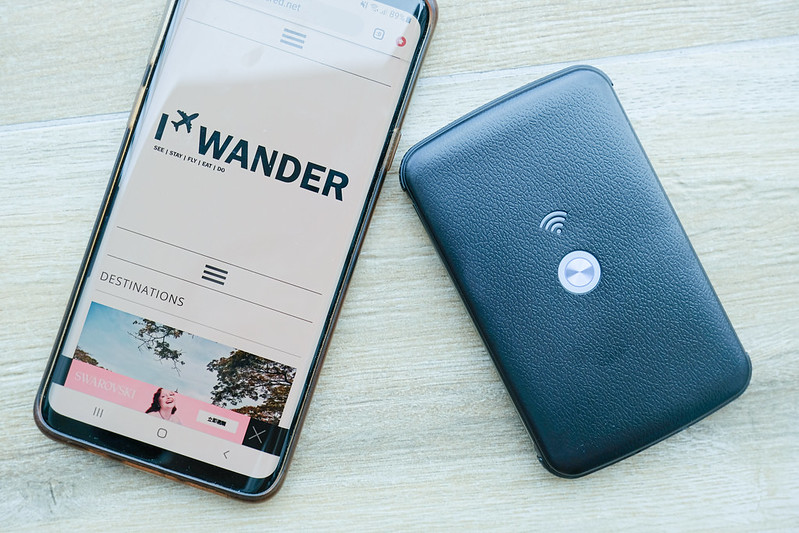
Although I have not been traveling as of late, I have been testing out Pokefi which is a portable WiFI roaming device. The device is available for purchase which means that instead of being charged by the day, you just need to pay an upfront cost for the device (with an added 5GB of data at the start) and just top-up whenever you need additional data.
The fact that you own the device opens it up to a lot more methods of usage. For instance, rather than just relying on the device for internet needs while on the go, the device could also complement one’s internet needs while at home or while traveling within one’s home country. The initial 5GB that comes with the device has no expiry date while top-ups have expiry dates ranging from 2 to 10 years which is more than enough time to exhaust the data allowance.
…